
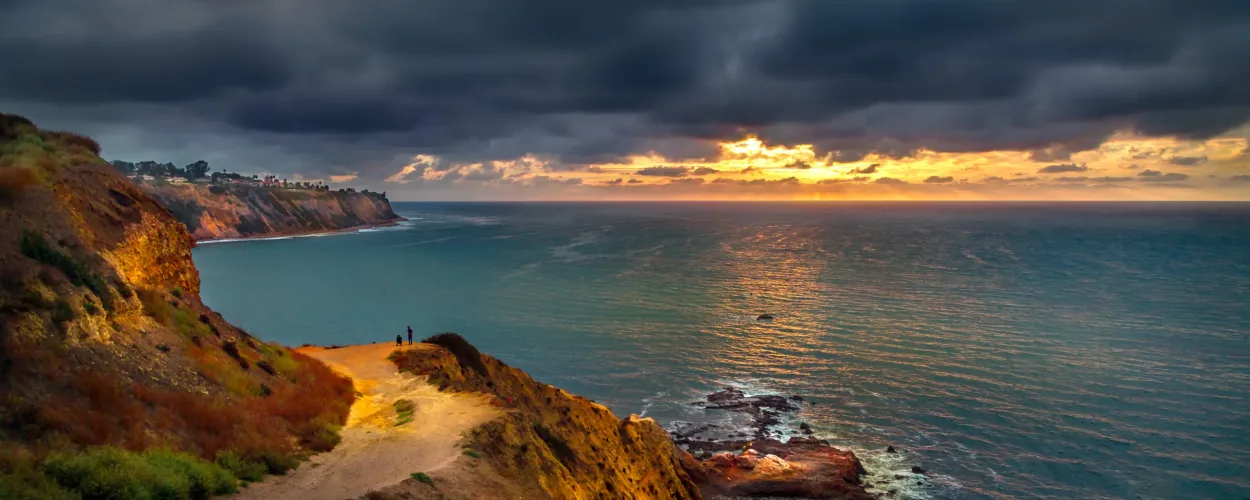
How native plants, habitat restoration, and a hardworking herd of goats are helping build a more resilient landscape.
The Palos Verdes Peninsula is known for its spectacular coastal landscapes, winding trails, and remarkable biodiversity. But beneath its natural beauty is a living landscape that requires year-round care to remain healthy and resilient.
From hot, dry summers and wildfire threats to winter storms and erosion, our natural lands face challenges that change with the seasons. At the Palos Verdes Peninsula Land Conservancy, protecting these precious open spaces means working with nature year-round—restoring native habitats, managing invasive plants, and helping our hillsides withstand a changing climate.
Healthy habitats do more than support wildlife. They also help protect the communities that surround them.
Preparing for Wildfire: Nature’s Hardworking Grazing Crew
One of the Conservancy’s most recognizable—and hardworking—conservation partners is our herd of approximately 300 goats.
Each year, these four-legged landscapers help manage invasive vegetation that can become dangerously dry during Southern California’s long, hot summers. By grazing on fast-growing weeds and other unwanted plants, the goats reduce accumulations of combustible vegetation while helping restoration crews prepare areas for native habitat recovery.
In 2026, the Conservancy’s goat grazing and vegetation management efforts helped clear 35 acres of dry, fire-prone brush along the edges of Peninsula neighborhoods, creating important fuel breaks between open spaces and nearby homes.
Goat grazing is just one part of a larger wildfire resilience strategy. Conservancy crews and volunteers also remove invasive plants, manage vegetation, and restore native habitats to support healthier, more sustainable landscapes.
While no landscape is fireproof, thoughtful vegetation management can help reduce hazardous fuel loads and support efforts to protect both natural lands and neighboring communities.
When the Rains Return: Native Plants Help Hold Our Hillsides Together
After months of dry weather, winter rains bring welcome moisture to the Peninsula. They also bring new challenges, particularly on steep hillsides where heavy rainfall can lead to runoff, soil loss, and erosion.
That’s where native plants play an important role.
California native plants are adapted to our Mediterranean climate, with its dry summers and seasonal winter rains. Once established, their root systems help hold soil in place, improve soil structure, and allow more rainwater to soak into the ground.
Native vegetation can also help slow surface runoff and protect exposed soils during storms.
This year, the Conservancy restored 17 acres of native habitat at San Ramon Reserve, helping create healthier landscapes that support wildlife while contributing to long-term ecological resilience.
Plants such as California sagebrush, deerweed, and native buckwheats are essential components of the Peninsula’s coastal sage scrub habitat. Together with other native species, they provide food and shelter for wildlife while helping rebuild functioning ecosystems.
Every native plant established is an investment in healthier soil, stronger habitats, and a more resilient Peninsula.
The Challenge of Invasive Plants: A Year-Round Effort
Winter rains bring new growth, but not all of it benefits our native landscapes.
Invasive plants such as black mustard, fennel, and tumbleweed can spread rapidly after seasonal rainfall, competing with native plants for sunlight, water, and space. As these invasive plants mature and dry out, they can also contribute to hazardous vegetation buildup.
Managing these species requires ongoing attention.
Throughout the year, Conservancy staff and volunteers work to remove invasive vegetation, maintain restored habitats, and allow native plants to thrive.
Following a wet winter, this work becomes especially important. New invasive growth must be managed before it spreads, produces seeds, and overwhelms restoration areas.
By combining targeted grazing, vegetation removal, and native plant restoration, the Conservancy is helping restore the ecological balance of the Peninsula’s natural lands.
Restoring Habitat Is About More Than Plants
Healthy native habitats create a foundation for the Peninsula’s extraordinary biodiversity.
Coastal sage scrub supports an intricate community of birds, butterflies, mammals, reptiles, and other wildlife, including rare and threatened species found in our region.
Native plants provide nectar, seeds, shelter, nesting areas, and essential host plants for butterflies. As restored habitats mature, they create increasingly valuable connections across the landscape, helping wildlife find food, shelter, and places to reproduce.
These ecological benefits extend beyond the boundaries of our nature preserves. Healthy landscapes contribute to cleaner watersheds, healthier soils, and the natural beauty that makes the Peninsula such a special place to live and explore.
When we restore native habitat, we are protecting an entire living community.
Conservation Doesn’t Have an Off-Season
As 2026 draws to a close, the Conservancy’s work continues.
Winter brings opportunities to plant native seedlings and restore habitats. Spring requires renewed attention to invasive plant growth. Summer and fall bring continued vegetation management and preparation for wildfire conditions.
Through every season, our restoration crews, volunteers, and community partners work to protect the natural lands that make the Peninsula extraordinary.
Since 1988, the Palos Verdes Peninsula Land Conservancy has worked to preserve and restore these landscapes for the education and enjoyment of all. Today, our stewardship of more than 1,700 acres of open space reflects a lasting commitment to protecting biodiversity and connecting people with nature.
But maintaining healthy, resilient habitats requires continued care—and the support of a community that understands the value of protecting them.
Love the Land. Protect Its Future.
As we look toward 2027, the Conservancy remains committed to restoring native habitats, reducing hazardous vegetation, protecting wildlife, and strengthening the resilience of the Peninsula’s natural lands.
Your year-end gift helps make this essential work possible.
Whether supporting goat grazing, planting native seedlings, or restoring fragile habitats, every contribution helps protect the landscapes and wildlife we love.
Together, we can ensure that the Palos Verdes Peninsula remains a place where nature thrives, and future generations can discover its extraordinary beauty.
Give by December 31 and help protect the Peninsula through every season.
Love the Land. Protect Its Future. Give Today.
Learn more about the Palos Verdes Peninsula Land Conservancy at pvplc.org.