
May is a meaningful month for conservation around the globe—and here on the Palos Verdes Peninsula, it carries special significance. As we recognize Endangered Species Day (May 15) and World Biodiversity Day (May 22), we are reminded of both the extraordinary richness of life that surrounds us and the essential role local conservation efforts play in protecting it.
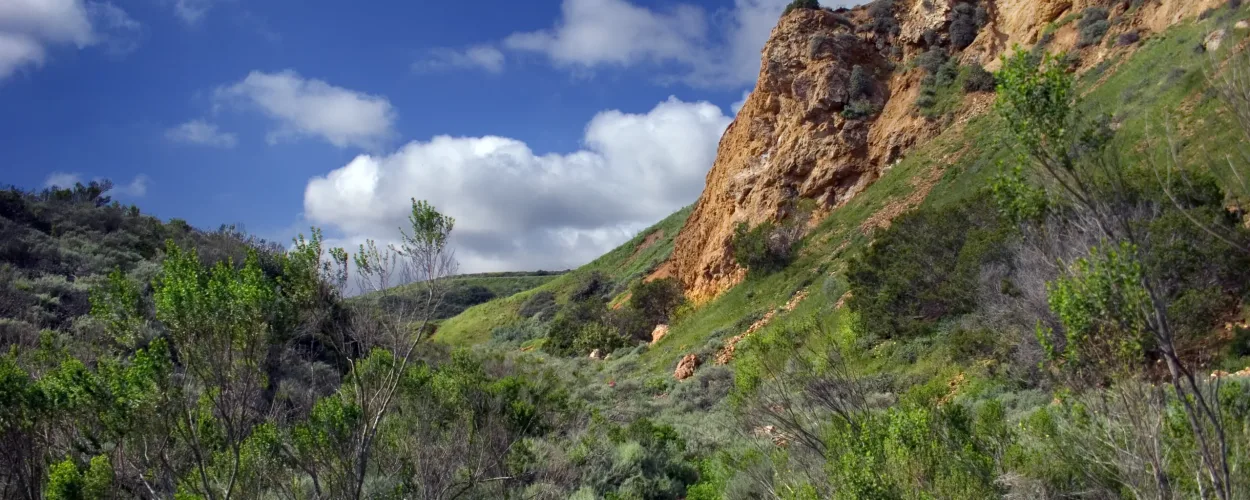
The Palos Verdes Peninsula is a biodiversity hotspot, home to a remarkable variety of native plants and wildlife found in very few other places on Earth. Its coastal sage scrub habitat, rugged canyons, and coastal bluffs support a delicate ecological balance that has evolved over thousands of years—and one that continues to face pressures from habitat loss, climate change, invasive species, and wildfire risk.
For more than three decades, the Palos Verdes Peninsula Land Conservancy has worked to protect, restore, and steward these irreplaceable landscapes—ensuring that native habitats not only survive, but recover and thrive for generations to come.
A Sanctuary for Rare and Imperiled Species
Thanks to long-term habitat protection, science-based restoration, and careful land stewardship, conserved open spaces across the Peninsula continue to serve as refuge for species of conservation concern, including:
- The California gnatcatcher (Polioptila californica)
A small, elusive songbird that depends entirely on healthy coastal sage scrub habitat. Its presence is a key indicator of ecosystem health, and its survival is closely tied to habitat preservation and restoration—core priorities of the Conservancy’s work across protected lands.
- Blue butterfly populations unique to the Peninsula
The Peninsula is known for its rare and closely monitored butterfly populations, including reintroduced and remnant populations of endangered blue butterflies. These species rely on specific native host plants and carefully managed restoration sites, making them powerful reminders of how targeted conservation action can reverse declines and restore ecological connections.
- Native coastal sage scrub plant communities
Among the most threatened habitat types in Southern California, coastal sage scrub supports hundreds of native species while also stabilizing soils, improving water quality, and helping reduce erosion and wildfire risk. Conservancy-led restoration replaces invasive plants with native species that rebuild resilient, functioning ecosystems.
Each of these species tells a larger story: when we protect habitat, we protect entire ecological networks—not just individual plants or animals.
Why These Observances Matter
Endangered Species Day and World Biodiversity Day are global calls to local action. They remind us that biodiversity is not guaranteed—even in places as naturally rich as the Palos Verdes Peninsula—and that lasting protection requires active care.
Healthy ecosystems provide essential benefits, including:
- Clean air and water
- Climate resilience
- Pollination for native plants and agriculture
- Natural wildfire buffering through restored landscapes
- Recreational, educational, and mental health benefits for the community
When biodiversity declines, these systems weaken. When it thrives—through intentional conservation and restoration—communities and ecosystems become more resilient together.
This is why the Conservancy’s work matters: protected lands need ongoing stewardship, scientific monitoring, and community investment to remain healthy in a rapidly changing world.
How You Can Take Action
The good news is that meaningful conservation action is happening right here at home—and there are many ways to be part of it through the Palos Verdes Peninsula Land Conservancy:
🌱 Volunteer in Habitat Restoration
- Help remove invasive plants and restore native coastal sage scrub
- Participate in restoration days across conserved open space areas
- Support planting efforts that benefit pollinators, birds, and rare species
🦋 Support Wildlife Monitoring & Conservation Science
- Learn about local species through guided hikes and educational programs
- Support monitoring efforts that track species like the California gnatcatcher and native butterflies
- Stay informed about restoration progress and ecological research
🚶 Explore and Respect Open Space
- Hike responsibly on designated trails to protect sensitive habitats
- Practice Leave No Trace principles
- Share your appreciation for nature to inspire stewardship in others
🌿 Become a Member or Deepen Your Support
- Join as a member to directly fund land protection and restoration
- Consider leadership-level support to expand conservation impact
- Encourage friends and family to invest in local conservation
📚 Learn and Share
- Attend nature talks, restoration days, and guided hikes
- Share stories and photos of native wildlife and landscapes
- Encourage youth and schools to connect with local ecology
A Shared Responsibility for the Future
The Palos Verdes Peninsula is more than a beautiful place—it is a living ecosystem that depends on care, stewardship, and community commitment. As we reflect during Endangered Species Day and World Biodiversity Day, we are reminded that conservation is not a single act, but an ongoing partnership between people and place.
Every restored habitat, every native plant returned to the soil, and every person who chooses to care makes a difference.
Together, through the continued leadership of the Palos Verdes Peninsula Land Conservancy and the support of this community, we can ensure that the Peninsula remains a thriving refuge for biodiversity—for the California gnatcatcher, for rare butterflies, and for generations of people who will continue to find inspiration in this extraordinary landscape.