
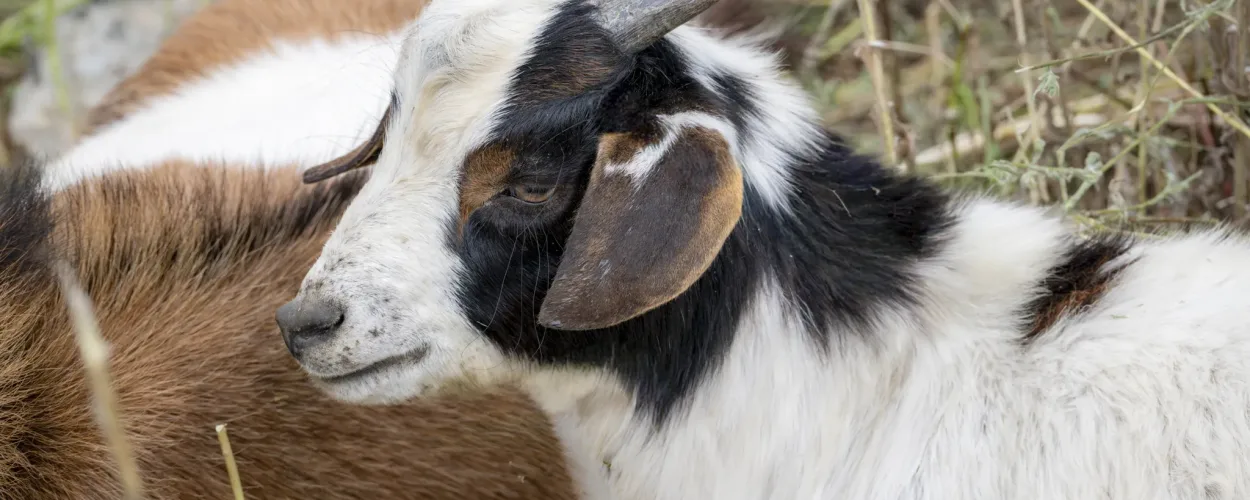
Every spring, the hillsides of the Palos Verdes Peninsula come alive with an unusual but highly effective restoration team: a herd of grazing goats. What might look like a charming pastoral scene is actually one of the most practical and ecologically thoughtful land management tools used in local habitat restoration today.
From Pilot Project to Annual Restoration Partner
The Palos Verdes Land Conservancy first introduced goats in 2009 as a pilot project at the Three Sisters Reserve. At the time, the goal was simple but ambitious: test whether targeted grazing could help control invasive weeds and prepare the landscape for native habitat restoration.
That initial herd of approximately 21 acres worth of grazing success quickly proved the concept. The goats efficiently cleared dense stands of invasive vegetation in areas that were difficult, dangerous, or too steep for hand crews and machinery to safely access.
Encouraged by the results, the program expanded each year. Today, a rotating herd of roughly 300 goats works for the Conservancy each year, treating around 80 acres of coastal habitat. This year, the goats are at our restoration sites at San Ramon Reserve, Agua Amarga Reserve, Filiorum and Lower Filiorum Reserves. You will also see goats hired by the City of Rancho Palos Verdes and Palos Verdes Estates to clear brush for wildfire risk reduction.
What the Goats Eat—and Why It Matters
The goats are deployed by the Conservancy specifically to reduce highly aggressive invasive plants that threaten native ecosystems, including:
- Fennel
- Mustard (including wild and black mustard)
- Ice plant
- Pampas grass
- Artichoke thistle
- Various other fast-spreading non-native weeds
These plants outcompete native coastal sage scrub species, reduce biodiversity, and increase fire risk when they dry out in summer months. By selectively grazing these invasives, the goats help reset the ecological balance of the landscape ahead of fall native planting.
Why Goats Work So Well on the Peninsula
The terrain of the Palos Verdes Peninsula is beautiful—but notoriously steep, uneven, and difficult for traditional weed removal crews or heavy equipment. Goats thrive in exactly these conditions. They can climb slopes, reach tight brushy areas, and clear vegetation without soil compaction from machinery.
To ensure they remain focused in targeted zones, the goats are contained using portable electric fencing. This is essential because goats are indiscriminate grazers—they will happily eat native seedlings, shrubs, or restoration plantings if given access. The fencing allows land managers to precisely direct their work where it is needed most.
An Eco-Friendly Land Management Tool
Beyond weed removal, goats provide several important ecological benefits that make them a standout restoration tool:
Natural fertilization
As they graze, goats naturally fertilize the soil with nutrient-rich manure, helping improve soil health and microbial activity without synthetic inputs.
Soil disturbance and seed incorporation
Their hooves gently disturb the ground surface, helping incorporate organic material and seed-to-soil contact. This can support the germination of native seeds after invasive species are reduced.
Reduced chemical use and emissions
Goat grazing eliminates the need for herbicides in many areas and reduces reliance on gas-powered equipment, lowering both chemical runoff risk and carbon emissions.
In combination, these effects help prepare the landscape for healthier, more resilient native plant communities.
Voices from the Field
According to Conservancy leadership, the goats are more than just a creative solution—they are an essential part of the restoration toolkit.
As Conservation Director Cris Sarabia puts it, “Goat grazing allows us to reach places we otherwise couldn’t safely or effectively restore. It’s a living, low-impact tool that helps us clear space for native plants to return and thrive.”
Community Support Makes It Possible
The annual goat grazing program exists thanks in large part to community support. Funding for this work is made possible through donors who support the Conservancy’s mission—particularly those who contribute at the Canopy Membership level of $250 per year (100% tax deductible) or higher. These contributions directly support habitat restoration efforts, including goat grazing, native planting, trail maintenance, and ongoing stewardship of the Palos Verdes Peninsula’s fragile ecosystems. To learn more or support this work, visit: Find out more
A Living Partnership with the Land
Each spring, as the goats move across the hillsides, they quietly reshape the landscape—one bite at a time. Their work clears the way for native wildflowers, sage scrub, and coastal habitats to reestablish themselves, ensuring that the Palos Verdes Peninsula remains a thriving natural refuge for wildlife and people alike.
And while the goats may not know it, they are part of a much larger story: one of restoration, resilience, and community care for the land we share.
Click here to view 2026 Goat Grazing Images Photos by Erik Jay